Husband of 34 years to my college sweetheart, Janet Murphy (@janetmurphydesign on Instagram). Together we have 6 wonderful children from ages 15-31 and 5 grandchildren. I've been a licensed REALTOR since 2003 and broker since 2007. I also am a cost segregation specialist helping building owners and real estate investors maximize their tax deductions, save thousands on their income taxes and increase their cash flow. If you're a building owner you probably haven't done a study...let's connect. There is no obligation. We can run an estimate for you and really every building should be evaluated if the basis is over $150,000. I can work all over the country and not just here in the Upstate. We relocated to Greenville, SC for the lifestyle, lower cost of living, amazing amenities in the area and the growth opportunity for business and real estate. We absolutely love it here!
All opinions are expressly my own and do not represent either eXp Realty LLC, Cost Segregation Services, Inc. or any other company, organization or group that I might be affiliated with.
Oil Change Buildings have special status in the IRS tax code – kind of like C-stores but not completely. Often times these entire buildings are classified as 15 year class life as long as they meet the IRS guidelines on 50% of their revenue coming from oil (check with your own tax advisor on this). We do study a lot of these because many operators don’t get 50% of their revenue from sales of oil.
This building was placed into service in 2024 when bonus depreciation was 60%. The owner’s CPA was on the ball and had us run some numbers to see if it might make sense to do a cost segregation study on the building to see what we might squeeze out especially with the 5 year class life property. If the 5 year class life property comes in anything north of 5%, it will be a win for the owner as they will be able to take the balance of the depreciation not taken as bonus over the next 4 years. So in 2025, 2026, 2027 and 2028, they will get an increased depreciation deduction above what they would have gotten had they not done the study and just taken 60% bonus depreciation.
No doubt there have been many of these oil service buildings that have gone into service at some point in 2024…many of them could also be taking advantage of these smart tax strategy but most won’t. Either they won’t be aware of it or their CPA won’t be. It’s nice to see CPAs who are paying attention to these details.
Brands that we often see as oil change or oil service buildings include: Jiffy Lube, Take 5, Valvoline and Strickland Brothers.
Congress is debating the Trump 2025 Tax Bill for the fiscal year 2025 – 2026. The House has passed a bill and it sits in the Senate. What will happen with 100% bonus depreciation? When will it apply?
If you’re trying to follow along, I believe the House bill is called, “One Big Beautiful Bill” or “H.R. 1.” The bill will extend the 2017 Tax Cuts and Jobs Act (TCJA) provisions so many in the commercial real estate world loved!
I had some conversations recently with commercial real estate brokers and commercial building owners. Some where thinking that they might make 100% bonus depreciation retroactive to 2024. That is HIGHLY unlikely and I have not heard that discussed. It is not in the House bill. What they plan to do is to make 100% bonus depreciation available to properties placed into service as of 1/20/25 – Trump’s Innauguration Day. So you an do your studies now and apply the 100% bonus depreciation on your 2025 taxes when you file them at some point in 2026. You do not need to wait to do the cost segregation study until Congress passes the bill and the President signs it. Get your studies done to know what your tax liabilities look like.
This morning I thought I’d share some thoughts about cost segregation and try to answer a number of questions that I get from owners and commercial real estate brokers.
In a transformative move for Spartanburg County, South Carolina, NorthMark Strategies, through its subsidiary Valara Holdings, is investing a staggering $2.8 billion to convert the former Kohler manufacturing facility into a state-of-the-art high-performance computing (HPC) center. This ambitious project promises to redefine the region’s economic landscape, bringing cutting-edge technology, thousands of jobs, and sustainable innovation—all without costing taxpayers a dime. Here’s why this development is a big deal for Spartanburg and beyond.
A Bold Vision for the Future
The Kohler facility, once a hub for manufacturing, is being reimagined as a powerhouse for high-performance computing, a field critical to advancements in artificial intelligence, scientific research, and data analytics. NorthMark Strategies, a company focused on sustainable infrastructure, plans to leverage the site’s existing industrial framework to create a facility that not only meets the growing demand for computational power but also sets a new standard for eco-conscious development.
For a region already known for its manufacturing prowess, this pivot toward technology signals Spartanburg’s readiness to compete in the digital age.
Zero Cost to Taxpayers, Maximum Impact
One of the most compelling aspects of this project is its financial structure. Spartanburg County is not footing the bill for this massive investment. Instead, the county has strategically employed economic incentives to attract NorthMark’s investment while ensuring minimal strain on public resources. Through Fee-in-Lieu of Tax (FILOT) agreements, the county has reduced the property tax assessment ratio for NorthMark from 10% to 4% for 40 years, significantly lowering the company’s tax burden. Additionally, a Special Source Revenue Credit (SSRC) allows NorthMark to offset infrastructure costs, further sweetening the deal.
According to Spartanburg County Councilman David Britt, this project comes at “zero cost to taxpayers” and requires little from existing infrastructure. The facility will generate its own power using natural gas from an existing pipeline, ensuring it operates independently of the local grid. This self-sufficiency, combined with the county’s savvy use of incentives, makes the project a win-win for both NorthMark and the community.
A Sustainable Approach to High-Tech Innovation
Sustainability is at the heart of NorthMark’s vision. The decision to repurpose an existing industrial site rather than build from scratch minimizes environmental impact and preserves green spaces. By tapping into an existing natural gas pipeline, the facility will operate efficiently, reducing reliance on external energy sources. This aligns with broader trends in the tech industry, where companies are increasingly prioritizing eco-friendly solutions to meet both regulatory and consumer expectations.
Moreover, the project’s focus on high-performance computing positions Spartanburg as a hub for innovation. HPC centers are critical for processing massive datasets, running complex simulations, and driving breakthroughs in fields like healthcare, climate modeling, and machine learning. By bringing this capability to South Carolina, NorthMark is not only boosting the local economy but also contributing to global technological progress.
What This Means for Spartanburg County
The ripple effects of this $2.8 billion investment are profound. Beyond the immediate job creation, the HPC center is expected to attract ancillary businesses, from tech startups to supply chain partners, fostering a vibrant ecosystem of innovation. Local schools and universities may also see increased demand for STEM programs, preparing the next generation for careers in high-tech industries.
For residents, the project offers the promise of economic stability and opportunity. The influx of well-paying jobs could elevate the standard of living, while the county’s minimal infrastructure burden ensures that public services remain unaffected. As Spartanburg County Councilman Britt aptly noted, this is a “transformational” moment for the region—one that cements its reputation as a destination for forward-thinking investment.
A Model for Economic Development
Spartanburg County’s approach to this project serves as a blueprint for other communities looking to attract major investments. By leveraging tax incentives and existing infrastructure, the county has secured a multi-billion-dollar project without dipping into public funds. This strategic partnership with NorthMark demonstrates how local governments can balance economic growth with fiscal responsibility, creating opportunities that benefit everyone.
As construction begins and the HPC center takes shape, all eyes will be on Spartanburg. This isn’t just a local success story—it’s a testament to the power of vision, collaboration, and innovation. The future of high-performance computing is coming to South Carolina, and Spartanburg County is leading the charge.
What do you think about this exciting development? Share your thoughts in the comments below, and stay tuned for updates on Spartanburg’s high-tech transformation!
Tax Day for 2024 taxes has come and gone. Most building owners have filed for an extension on their taxes giving them 5 more months to get their corporate returns completed and 6 more for their personal returns. Now is the time to get those cost segregation studies completed so they are done well in advance of the true tax deadline.
I do cost segregation studies all over the country. We have a simple process that won’t cause you much headache at all. You can sleep confidently knowing the work was done by experts with a couple of decades of experience.
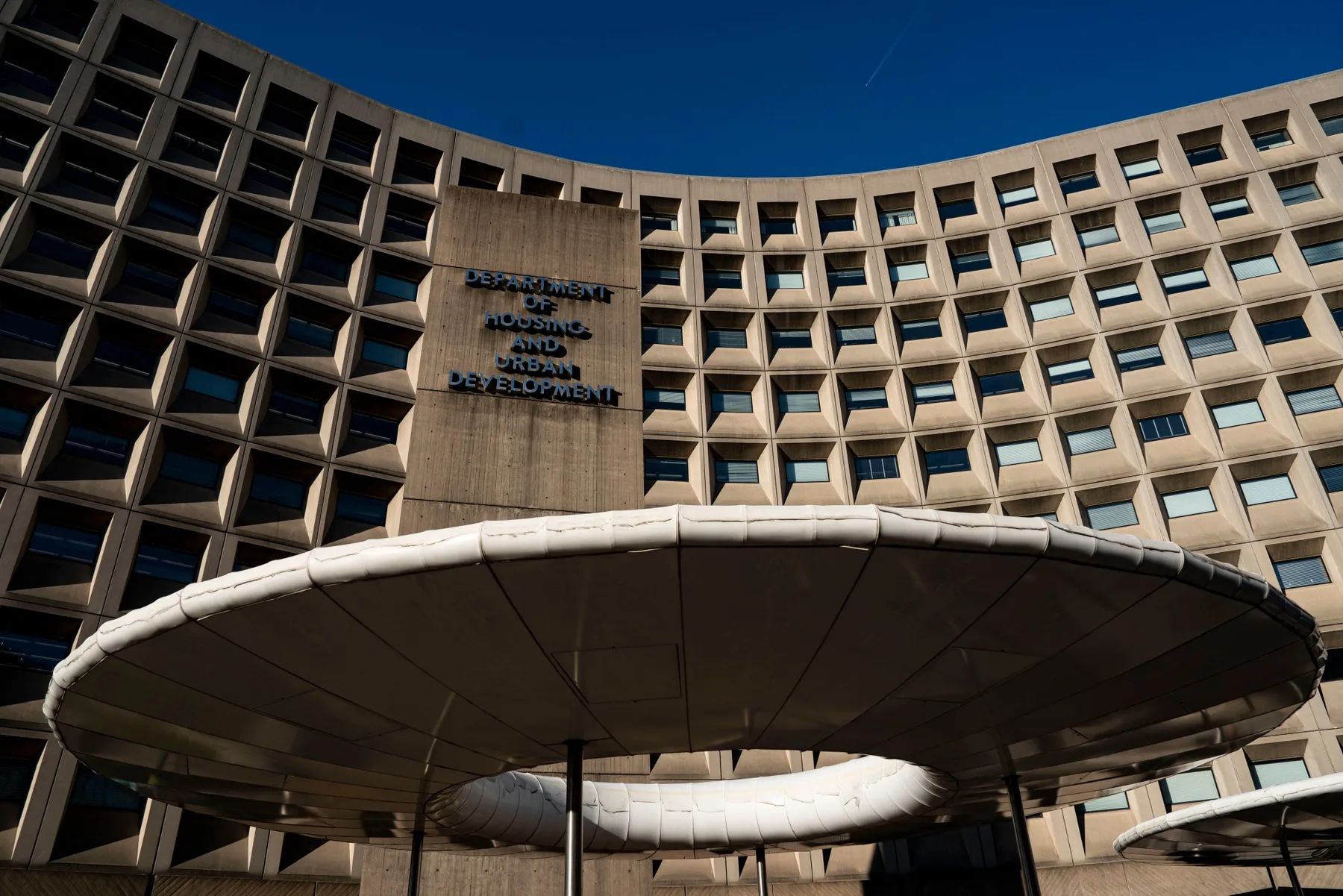
President Trump signed an executive order yesterday that reprioritizes where federal government offices need to be located. Like so much of the American government these days, this order goes back to when Jimmy Carter was U.S. President. He wanted to revitalize the central business districts and support the central cities. Now given so many central business districts are suffering as a result of local, state and federal Covid policies, central districts once the source for fun, entertainment, restaurants and office workers appears to be hurting in many areas. Trump’s order guarantees that more suffering is to come with the feds potentially moving out.
The government has a lot of extra space. Lease rates are very costly in CBDs and given the actions to trim the size of the overall goverment, Trump has decided we don’t need the space and we don’t need it downtown. Also, who wants to work downtown these days? Sure there are some cities that are still doing well. But if you are in a blue state, how are your central cities doing? How’s crime? Do people feel safe? How are the restaurants and shops doing in the central business district.
This seems like a smart move by President Trump. It’s a good move for the tax payers and federal workers I suspect. It will cause more pain though for central business districts and the owners of commercial real estate.
It’s nice to see the closed transaction activity is continuing here in the Upstate of South Carolina. Many of us expect that we will benefit more than most areas in the U.S. with the new Trump policy to bring manufacturing back to the U.S. When I talk with commercial real estate brokers, while sales might be slower, they are still quite busy with leasing activity. Colliers of South Carolina has a strong team in the Upstate as can be seen by the transaction activity.
AI is going to affect every industry and commercial real estate is ripe to be impacted by this technology. Many are trying to figure out how to leverage it to make their own businesses better and more efficient. Thomas Stephenson does a great job of showing different use cases CRE AI.
Topher Stephenson is head of operations at Aspire CRE, a real estate brokerage in Houston, TX and is someone you should follow if you’re in commercial real estate and want to learn more about AI and how it’s affecting the business. Below is his one of his tweets talking about
THE NEW CHATGPT IMAGE UPDATE IS REAL
“TAKE THIS SITE PLAN AND MAKE IT PRETTY”
Countless brokers have asked me if AI can do this. The answer was “No” until today.
That’s how fast this is changing.
(Yes it got some text wrong but if you know how to use AI you’re not worried… pic.twitter.com/KWKB8GRx8j
I will also recommend you check out the recent tweets from Life Sci RE Guy. He has some excellent images he created with the use of AI.
Commercial real estate seems to be one of the slower industries when it comes to the adoption of AI, but I think this is coming full steam ahead for it.
Wells Fargo Center, Minneapolis, MN / Photo Credit: Bring Me the News
Central Business Districts continue to struggle to make a come back particularly in blue cities and states post covid. We’ve seen massive discounts in building values when sales have actually happened. Many office towers have seen 60-80% discounts from their last sales price.
According to the Minneapolis / St. Paul Business Journal, below are downtown Minneapolis’ top five largest office towers and the change in their valuations from assessment year 2024 to 2025, according to recently updated Hennepin County records.
Capella Tower, 225 S. Sixth St.: 2024 value was $147.7 million; 2025 value is $131.6 million, representing an 11% drop
IDS Center, 80 S. Eighth St.: 2024 value was $167.5 million; 2025 value is $135 million, a 19% drop
Wells Fargo Center, 90 S. Seventh St.: 2024 value was $173.6 million; 2025 value is $106.1 million, a 39% drop
U.S. Bank Plaza, 200 S. Sixth St.: 2024 value was $156.1 million; 2025 value is $111.1 million, a 29% drop
City Center, 33 S. Sixth St.: 2024 value was $139 million; 2025 value is $116.7 million, a 16% drop